
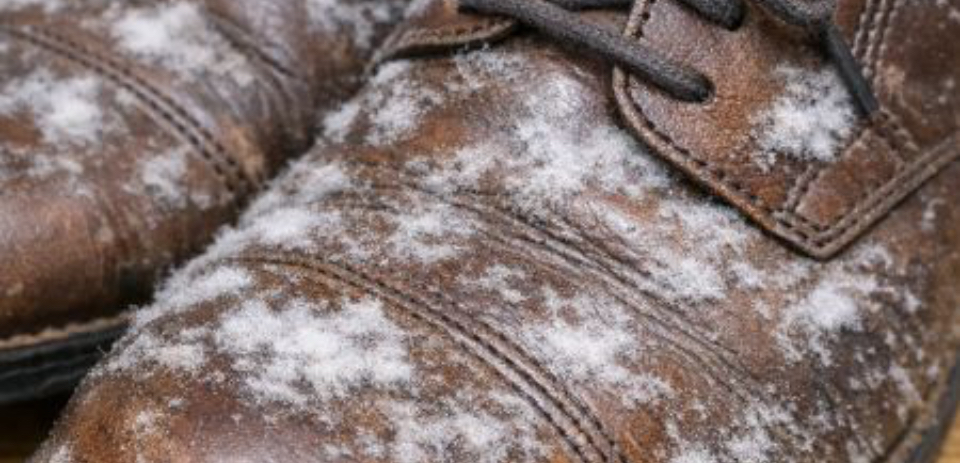
White Fuzzy Patches on Leather Shoes: What Is It and How to Fix It
If you pulled out your shoes after winter and noticed white, fuzzy patches growing on the leather, don’t panic—you’re not alone. This is a very common problem, especially after shoes have been stored for months. The good news is that it’s usually fixable.
What Is the White Fuzzy Growth on Leather?
The white fuzzy patches you’re seeing are mold or mildew. Leather is a natural material that can absorb moisture from the air. When shoes are stored in a dark, damp, or poorly ventilated space—like a closet, basement, or storage box—mold spores can grow on the surface.
Mold often appears as:
-
White, gray, or slightly green fuzzy spots
-
Powdery or cotton-like patches
-
A musty or damp smell
Winter storage creates the perfect environment for this because shoes are often put away without being fully dried or aired out.
Why Mold Grows on Leather Shoes
Mold needs three things to grow:
-
Moisture – humidity, damp air, or wet shoes
-
Darkness – closets and storage bins
-
Organic material – leather is a natural material mold can feed on
Even clean shoes can develop mold if stored in the wrong conditions.
Is It Dangerous?
In most cases, mold on shoes is not dangerous, but it should be cleaned promptly. Prolonged exposure to mold can cause:
-
Unpleasant odors
-
Damage to the leather
-
Allergic reactions for sensitive individuals
Ignoring it can lead to permanent staining or weakening of the leather over time.
How to Remove Mold from Leather Shoes
-
Take the shoes outside or to a well-ventilated area.
-
Gently wipe off loose mold with a dry cloth or soft brush.
-
Mix equal parts white vinegar and water (or use rubbing alcohol).
-
Lightly dampen a cloth and wipe the affected areas—do not soak the leather.
-
Let the shoes air-dry completely away from direct sunlight or heat.
-
Once dry, apply a leather conditioner to restore moisture and protect the leather.
How to Prevent Mold in the Future
-
Always store shoes completely dry
-
Keep them in a cool, dry, well-ventilated area
-
Use silica gel packets or moisture absorbers
-
Avoid airtight plastic containers
-
Rotate shoes occasionally so they don’t sit unused for months
Frequently Asked Questions
Can mold permanently ruin leather shoes?
If caught early, mold can usually be removed without damage. Long-term mold growth can stain or weaken leather.
Can I just wipe it off with water?
Plain water can spread mold. Vinegar or alcohol is more effective.
Will the mold come back?
It can if moisture returns. Proper storage is key to prevention.
Final Thoughts
White fuzzy patches on leather shoes are almost always mold caused by moisture and poor airflow during storage. While it looks alarming, it’s usually easy to clean and prevent with proper care. A little attention now can save your favorite shoes and keep them looking great for years.