
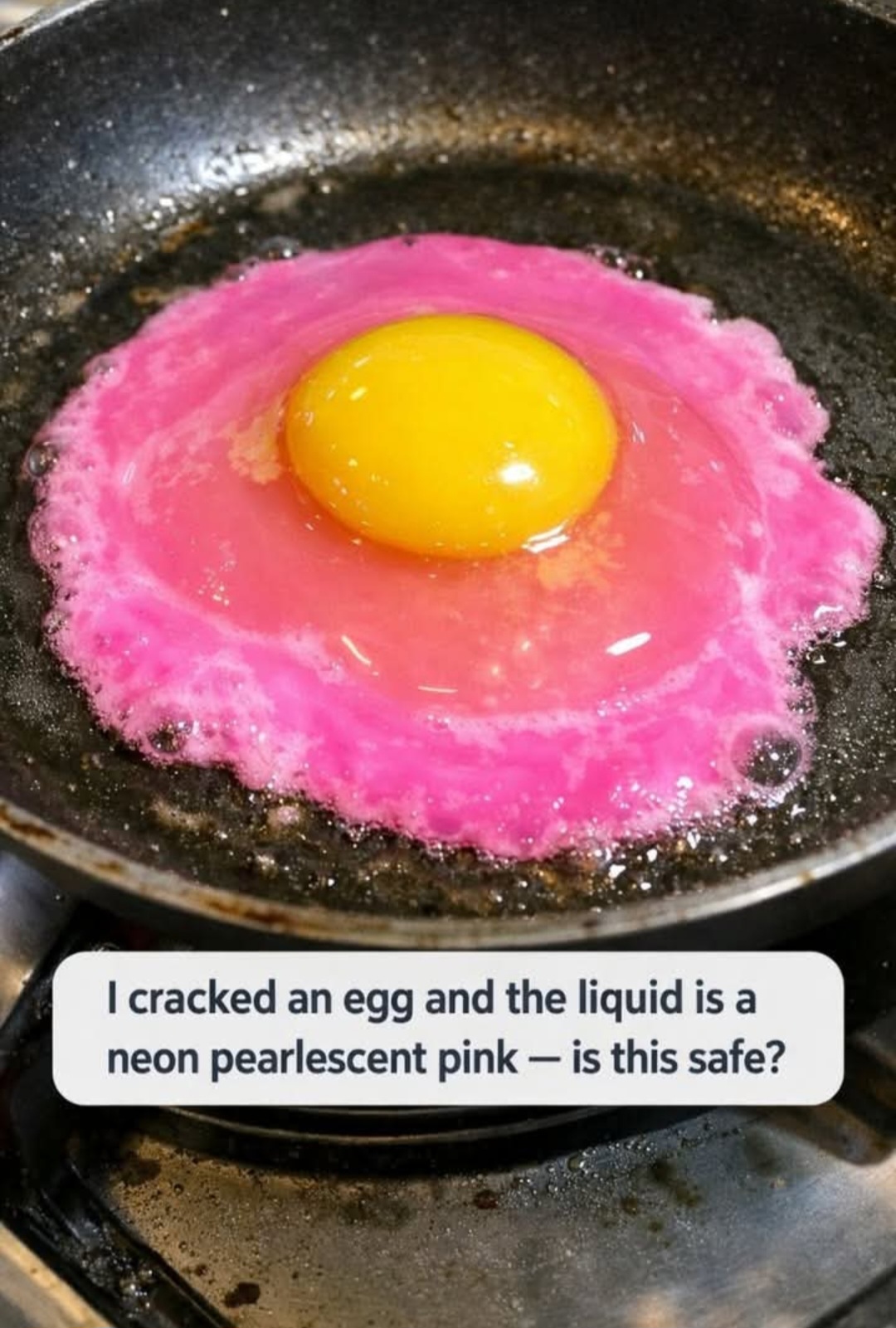
Eggs are a staple in kitchens around the world, cherished for their versatility and nutritional benefits. However, encountering an unexpected color in your egg can be both surprising and concerning, especially when the egg white turns a neon pearlescent pink. This unusual hue might raise questions about the safety of consuming such an egg and what it signifies about the egg’s condition.
While eggs are generally considered safe to eat when properly stored and cooked, certain changes in their appearance can indicate potential issues. In this article, we’ll explore what it means when an egg white turns neon pearlescent pink, the science behind this phenomenon, and whether it’s safe to consume. We’ll also cover how to identify other warning signs of spoilage and contamination, and provide tips on handling and storing eggs to prevent such occurrences.
1. What It Means When Your Egg White Turns Neon Pearlescent Pink
A neon pearlescent pink hue in egg whites is not a common occurrence and can be alarming. Typically, the egg white, or albumen, is clear when raw and turns white when cooked. A shift to a pinkish tone suggests the presence of certain bacteria or a chemical reaction. This change could be due to the presence of the Pseudomonas bacteria, which is known to produce pigments that can impart a pink hue to the egg white.
In some cases, the pink color might be a result of a harmless dye or pigment that has accidentally come into contact with the egg. However, if the neon pink appearance is accompanied by other signs of spoilage, such as a foul odor, it is likely indicative of bacterial contamination.
2. The Science Behind Pink Eggs: Pseudomonas Bacterial Contamination
Pseudomonas is a genus of bacteria that thrives in moist environments and can affect various food products, including eggs. Certain strains of Pseudomonas bacteria produce colorful pigments, such as pyocyanin (blue-green) and pyoverdine (yellow-green), which can mix and result in a pink or even pearlescent appearance in egg whites.
The presence of Pseudomonas in eggs usually indicates that the egg has been exposed to conditions conducive to bacterial growth, such as improper storage temperature or humidity. These bacteria are known for their ability to spoil food rapidly, and their presence in eggs can pose a risk to human health if consumed.
3. Is A Neon Pink Egg Ever Safe To Eat?
In general, a neon pink egg is not considered safe to eat. The unusual color is often a sign of bacterial contamination, specifically by Pseudomonas bacteria, which can produce toxic substances harmful to humans. Consuming such an egg could lead to foodborne illnesses, with symptoms ranging from mild digestive discomfort to more severe conditions.
Even if the egg does not have an off-putting odor or other signs of spoilage, the presence of an unexpected color is enough reason to discard it. When it comes to food safety, it is always better to err on the side of caution and avoid consuming eggs with unusual colors.
4. How To Tell If The Color Is From Bacteria Or Something Harmless
To determine whether the pink color in an egg is due to bacterial contamination or a harmless cause, consider several factors. First, smell the egg—Pseudomonas contamination often results in a sour or rotten odor. If the egg smells off, it is likely spoiled and should be discarded.
Next, examine the egg’s surroundings. If the egg was stored near items that could have transferred a dye or pigment, and there is no accompanying foul smell, the color might be harmless. However, if the origin of the color cannot be determined and the egg exhibits other signs of spoilage, it is best to discard it.
5. Other Warning Signs: Smell, Texture, And Shell Condition
In addition to color changes, several other warning signs can indicate that an egg is no longer safe to eat. A foul smell is one of the most reliable indicators of spoilage; a fresh egg should have no noticeable odor.
The texture of the egg white can also provide clues. A slimy or unusually thick or thin texture can suggest bacterial growth. Furthermore, inspect the shell for cracks or an unusual appearance. A compromised shell can allow bacteria to enter and proliferate inside the egg, leading to spoilage.
6. Why Pseudomonas In Eggs Is A Bigger Deal Than Just Weird Color
Pseudomonas contamination in eggs is concerning not just because of the color change but due to the potential health risks associated with consuming contaminated eggs. Pseudomonas bacteria can produce toxins that are harmful to humans, leading to symptoms such as nausea, vomiting, diarrhea, and even more severe complications in vulnerable individuals.
Moreover, the presence of Pseudomonas indicates that the egg has been exposed to conditions that promote bacterial growth, which could affect other eggs stored nearby. This underscores the importance of identifying and discarding contaminated eggs promptly to prevent the spread of bacteria.
7. What To Do Immediately If You Crack Open A Pink Egg
If you crack open an egg and find it to be neon pearlescent pink, do not consume it. Immediately discard the egg to prevent any risk of foodborne illness. Be sure to wash your hands and any surfaces or utensils that came into contact with the egg thoroughly to prevent cross-contamination.
If the egg was stored with other eggs, check them for signs of spoilage or unusual colors. It’s advisable to err on the side of caution and dispose of any eggs that seem questionable.
8. How That Egg Got Contaminated In The First Place
Egg contamination can occur at various stages, from the farm to your kitchen. Eggs can become contaminated with Pseudomonas bacteria if they are laid in unsanitary conditions or if the shells become cracked or compromised after being laid.
Improper storage conditions, such as keeping eggs at room temperature for extended periods, can also promote bacterial growth. It’s crucial to store eggs at a consistent, cool temperature, ideally below 40°F (4°C), to minimize the risk of bacterial contamination.
9. How To Store Eggs To Prevent Bacterial Growth And Color Changes
To prevent bacterial growth and color changes in eggs, store them in the refrigerator at a temperature below 40°F (4°C). Keep the eggs in their original carton to protect them from absorbing odors and flavors from other foods.
Avoid washing eggs before storing them, as this can remove the protective bloom on the shell, making it easier for bacteria to penetrate. If you need to clean eggs, do so just before using them. Additionally, inspect eggs for cracks before storing, as cracks can allow bacteria to enter and spoil the egg.
10. When To Call The Store, The Farm, Or A Food Safety Hotline
If you encounter a pink egg or any other signs of spoilage, it is important to inform the store where you purchased the eggs. They may need to investigate further or issue a recall if other customers report similar issues.
If you purchased the eggs directly from a farm, contact them to alert them to the potential problem. In cases where the contamination seems widespread or poses a significant health risk, consider contacting a food safety hotline for guidance on how to proceed.
11. Safe Egg-Handling Habits So You Never See Neon Pink Again
To minimize the risk of encountering a neon pink egg, practice safe egg-handling habits. Always purchase eggs from reputable sources and check the expiration date and condition of the eggs before buying.
Store eggs properly in the refrigerator and use them within the recommended timeframe. Practice good hygiene by washing hands and utensils before and after handling eggs. By maintaining these habits, you can reduce the risk of bacterial contamination and ensure the safety of the eggs you consume.