
My Grandmother Made These Potato Dauphinoise Every Sunday for 40 Years — The Secret Is in the Slow Bake!
There is something truly special about a dish that turns a few humble ingredients into a meal everyone remembers. Oven-Baked 3-Ingredient Potato Dauphinoise is the kind of old-fashioned comfort food that belongs on the Sunday dinner table, bringing together thinly sliced potatoes, rich heavy cream, and a little salt to create something wonderfully satisfying.
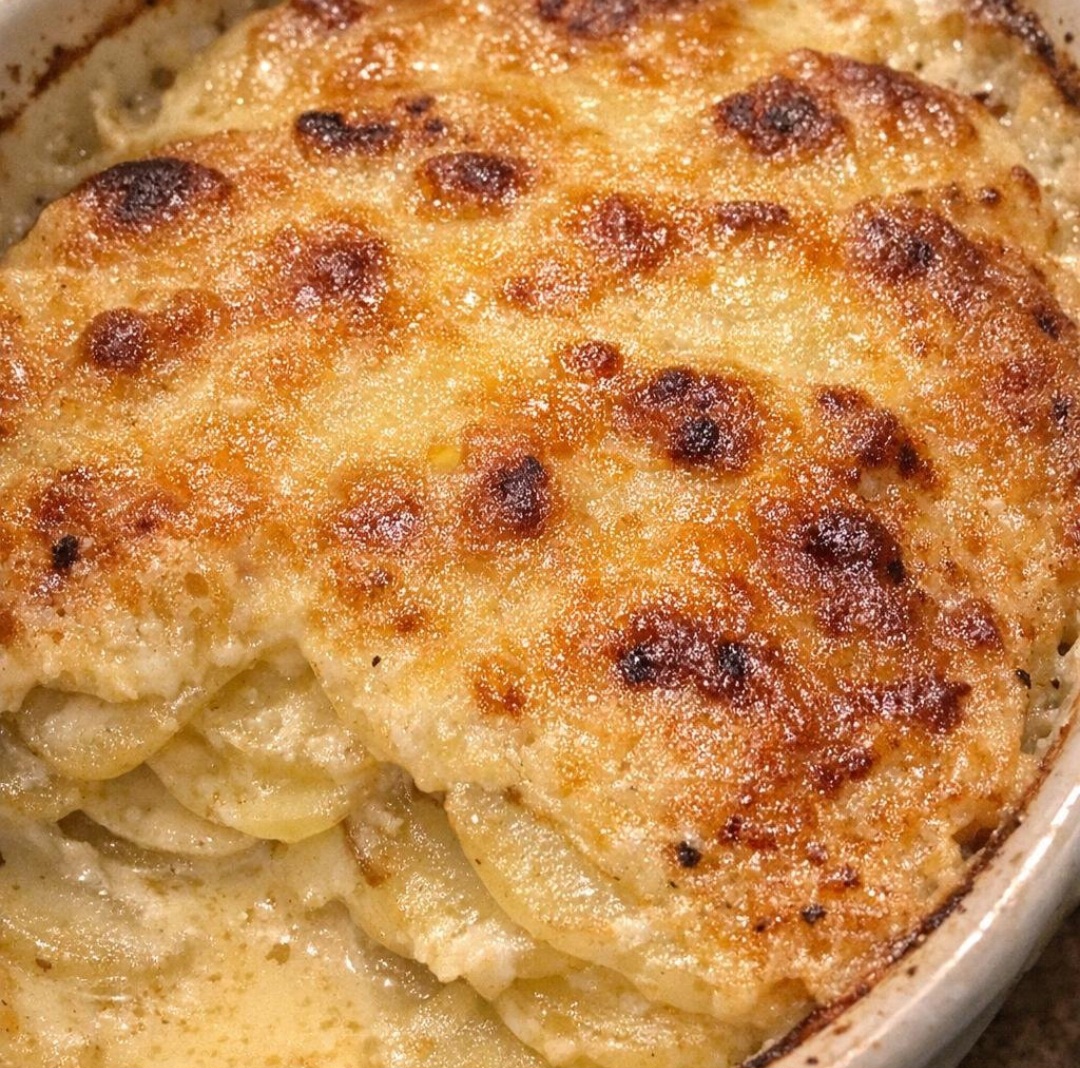
My grandmother believed the secret to perfect potatoes was never to rush them. She would carefully slice each potato, arrange the layers in a baking dish, pour the cream over the top, and let the oven work its magic. As the dish slowly baked, the potatoes softened, the cream thickened, and the top developed a beautiful golden finish. The result was tender, creamy potatoes with delicate layers and a rich flavor that tasted far more complicated than the recipe really was.
This easy 3-ingredient potato casserole is inspired by classic French potato dauphinoise, a traditional dish known for its luxurious creaminess and slow-baked texture. There is no complicated sauce to prepare, no long list of seasonings, and no need to stand over the stove. Simply layer, pour, and bake.
Whether you are preparing a cozy Sunday supper, hosting Thanksgiving dinner, or looking for an elegant side dish for a holiday gathering, these slow-baked creamy potatoes are a delicious way to make an ordinary meal feel special. Once you taste those soft potato layers coated in thick, savory cream, you will understand why this timeless recipe deserves a place in every family recipe collection.
Oven-Baked 3-Ingredient Potato Dauphinoise
Prep Time: 20 minutes
Cook Time: 1 hour 35–50 minutes
Resting Time: 10–15 minutes
Total Time: Approximately 2 hours 5–25 minutes
Servings: 6–8
Oven Temperature: 325°F (165°C)
Ingredients
The beauty of this traditional-style potato dauphinoise recipe is that it uses only three main ingredients. Each one plays an important role in creating the dish’s rich flavor and wonderfully tender texture.
1. 2 1/2 Pounds Yukon Gold or Russet Potatoes, Peeled
Potatoes are the foundation of this comforting casserole. They soften during the slow bake, absorbing the cream and developing delicate, tender layers.
Yukon Gold potatoes are an excellent choice because their naturally buttery texture helps the finished dish feel smooth and rich while allowing the slices to retain their shape. Russet potatoes also work beautifully, producing a softer, fluffier interior as their starch helps thicken the cream.
For the most consistent results, choose potatoes of similar size and slice them evenly, approximately 1/8 inch thick.
2. 2 Cups Heavy Cream
Heavy cream gives dauphinoise its signature richness. As it heats in the oven, it coats the potato slices and combines with their natural starch to create a luscious, creamy consistency.
Using heavy cream rather than milk helps the casserole develop a more luxurious texture and reduces the likelihood of a watery sauce. Pour it evenly over the layered potatoes so that the cream can settle throughout the dish.
3. 1 1/2 Teaspoons Kosher Salt
Salt enhances the natural flavor of the potatoes and balances the richness of the cream. Adding a little between the layers helps season the entire casserole rather than leaving the flavor concentrated on the surface.
Kosher salt is convenient because it is easy to distribute evenly. If using fine table salt instead, consider starting with a smaller amount and adjusting to taste.
Step-by-Step Instructions
Step 1: Prepare the Oven and Baking Dish
Preheat your oven to 325°F (165°C). Lightly butter or grease a medium baking dish, preferably one deep enough to hold several layers of potatoes.
A ceramic or glass baking dish works well because it allows the potatoes to cook gently and evenly. Preparing the dish first makes layering easier and helps prevent the creamy potatoes from sticking around the edges.
Step 2: Slice the Potatoes Thinly
Peel the potatoes and slice them into rounds approximately 1/8 inch thick. A sharp knife works well, although a mandoline can make the job quicker and produce more uniform slices.
Try to keep the slices as even as possible. Thick pieces may take longer to become tender, while evenly sliced potatoes cook at a more consistent rate.
Pro tip: Do not rinse the sliced potatoes. Their natural surface starch helps thicken the cream and gives the finished casserole its characteristic creamy consistency.
Step 3: Build the Potato Layers
Arrange a layer of potato slices across the bottom of the prepared baking dish, slightly overlapping each piece.
Sprinkle a small amount of salt over the layer, then add another layer of potatoes. Continue alternating potatoes and salt until all the slices have been used.
Spread the potatoes as evenly as possible, paying particular attention to the corners and edges. Even layers help the cream distribute throughout the casserole and ensure that the potatoes cook evenly.
Step 4: Pour the Cream Over the Potatoes
Slowly pour the heavy cream over the layered potatoes, distributing it as evenly as possible.
Gently press the top layer with the back of a spoon so the cream settles between the slices. The potatoes should be well coated, allowing the cream to work its way through the layers during baking.
There is no need to prepare a separate sauce or mix the ingredients in another bowl. This simple method is one of the reasons three-ingredient potato dauphinoise is so easy to prepare.
Step 5: Bake Slowly Until Tender
Cover the baking dish loosely with aluminum foil and place it in the preheated oven.
Bake for approximately 1 hour, allowing the potatoes to soften gradually as the cream heats and begins to thicken.
Remove the foil and continue baking for another 35–50 minutes, or until the potatoes are completely tender and the top is golden brown with bubbling edges.
To check for doneness, carefully insert a thin knife into the center. It should slide through the potato layers easily, without resistance.
If the top begins browning too quickly before the potatoes are tender, loosely cover the dish again and continue baking until the center is fully cooked.
Step 6: Let the Dauphinoise Rest
Remove the casserole from the oven and let it rest for 10–15 minutes before serving.
This short resting period allows the cream to settle and thicken slightly, making the potatoes easier to spoon onto plates without the layers immediately falling apart.
The finished dish should have tender, creamy layers, a rich sauce, and a beautifully browned top. Serve it warm while the cream is still silky and inviting.
Why Everyone Loves This 3-Ingredient Potato Dauphinoise
There are plenty of potato side dishes to choose from, but this classic-inspired recipe has several qualities that make it especially memorable.
– Only three ingredients: Potatoes, heavy cream, and salt are all you need for the basic recipe.
– Rich, creamy texture: Slow baking allows the potatoes to soften while the cream thickens into a luscious sauce.
– A beautiful golden top: Removing the foil toward the end of baking encourages browning and adds an appealing contrast to the tender interior.
– Perfect for Sunday dinner: The simple preparation and generous portions make it ideal for family meals.
– Elegant enough for holidays: Despite its humble ingredients, the finished casserole looks and tastes special enough for festive occasions.
– Easy to prepare ahead: You can bake it earlier in the day and reheat it before serving, making busy meal preparation more manageable.
Most importantly, this recipe proves that simple ingredients and patient cooking can produce outstanding results without complicated techniques.
Pro Tips for Perfect Creamy Potato Dauphinoise
Slice the Potatoes Uniformly
Consistent slices are one of the most important details in this recipe. Aim for approximately 1/8-inch thickness so the potatoes cook evenly and develop neat, tender layers.
Keep the Oven Temperature Moderate
The secret is a gentle, extended bake. Cooking at 325°F gives the potatoes time to soften without browning the surface too quickly. A higher temperature may cause the cream to reduce or the top to brown before the center is fully tender.
Leave the Natural Starch on the Potatoes
Avoid soaking or rinsing the sliced potatoes. The starch released during baking helps create a thicker, creamier sauce.
Use Heavy Cream for the Best Texture
Heavy cream gives the dish its characteristic richness. Substituting a much thinner dairy product can produce a less luxurious result and may cause the sauce to separate or become watery.
Season Between the Layers
Instead of sprinkling all the salt on top, distribute it lightly as you build the casserole. This helps the potatoes taste seasoned throughout.
Do Not Skip the Resting Period
Allowing the casserole to rest for 10–15 minutes after baking makes serving easier and gives the sauce a chance to settle.
Make It Ahead for Easy Entertaining
Prepare and bake the casserole earlier in the day, then cool and refrigerate it promptly. Reheat it covered at 300°F until the center reaches 165°F, removing the cover near the end if you want to refresh the golden top. Refrigerate leftovers within two hours of cooking and use them within three to four days.
Add Cheese or Garlic for a Different Version
For a variation, rub the baking dish with a cut garlic clove before adding the potatoes. You can also sprinkle a little Gruyère or Parmesan between the layers or over the top for a cheesier, gratin-style finish.
These additions are optional; the original three-ingredient version remains wonderfully satisfying on its own.
What to Serve With Potato Dauphinoise
Because creamy baked potatoes are rich and comforting, they pair especially well with roasted meats, fresh vegetables, and crisp salads.
For a traditional Sunday dinner:
– Roast chicken with herbs and pan juices.
– Roast beef or a tender steak.
– Roasted pork loin with a simple gravy.
– Baked ham served with mustard or a sweet glaze.
For an easy family supper:
– Oven-baked chicken thighs.
– Grilled sausages with sautéed onions.
– Roasted mushrooms and green beans.
– A fresh green salad with a light vinaigrette.
For a holiday table:
– Roast turkey with gravy.
– Glazed ham and roasted carrots.
– Steamed green beans or Brussels sprouts.
– Crusty bread and a crisp seasonal salad.
For a vegetarian meal, serve the dauphinoise with roasted mushrooms, glazed carrots, and green beans. Their earthy and fresh flavors balance the richness of the cream.
Frequently Asked Questions
What Is the Difference Between Potato Dauphinoise and Scalloped Potatoes?
Potato dauphinoise is a French-style baked potato dish traditionally made with thinly sliced potatoes and cream, sometimes with garlic. Scalloped potatoes often use a milk-based sauce or a prepared white sauce, and recipes vary considerably. Cheesy versions are also common in modern home cooking.
Can I Use Russet Potatoes Instead of Yukon Gold?
Yes. Russet potatoes work well and tend to become softer and fluffier as they bake. Yukon Gold potatoes generally hold their shape better and offer a naturally buttery texture. Both are suitable for this recipe.
Why Are My Potatoes Still Hard After Baking?
The slices may be too thick, the dish may be deeper than expected, or the oven temperature may be inaccurate. Cover the casserole again and continue baking until a knife slides easily through the center. Check the potatoes before removing the dish from the oven.
Can I Prepare Potato Dauphinoise the Night Before?
Yes. You can bake it ahead, cool it promptly, and refrigerate it covered. Reheat it thoroughly before serving. The texture may become slightly firmer after chilling, but gentle reheating helps restore its creamy consistency.
Can I Freeze Leftover Potato Dauphinoise?
Freezing is possible, although cream-based potato dishes can change texture after thawing. The sauce may separate slightly and the potatoes may become softer. For the best texture, refrigeration and reheating are preferable.
Is This an Authentic Traditional Dauphinoise Recipe?
This is a simplified, three-ingredient version inspired by classic French potato dauphinoise. Traditional recipes often include garlic and may use additional seasonings, but the essential idea remains the same: thinly sliced potatoes slowly baked with cream until tender.
A Simple Sunday Classic Worth Keeping
Some recipes become family favorites not because they are complicated, but because they make ordinary meals feel special. Oven-Baked 3-Ingredient Potato Dauphinoise is a perfect example. With thinly sliced potatoes, rich heavy cream, a little salt, and enough time in the oven, you can create a side dish that feels both rustic and elegant.
The slow bake is what makes the difference. It gives the potatoes time to become tender, allows the cream to thicken naturally, and creates that irresistible golden top everyone wants a spoonful of.
Serve it with roast chicken, beef, pork, or a generous helping of vegetables, and you have a comforting addition to almost any dinner table. Whether you are recreating the feeling of your grandmother’s Sunday suppers or discovering this French-inspired classic for the first time, this easy creamy potato dauphinoise recipe is proof that three simple ingredients can deliver extraordinary comfort.
Prepare it once, give it time to bake slowly, and this may become the potato dish your family asks for every Sunday.