
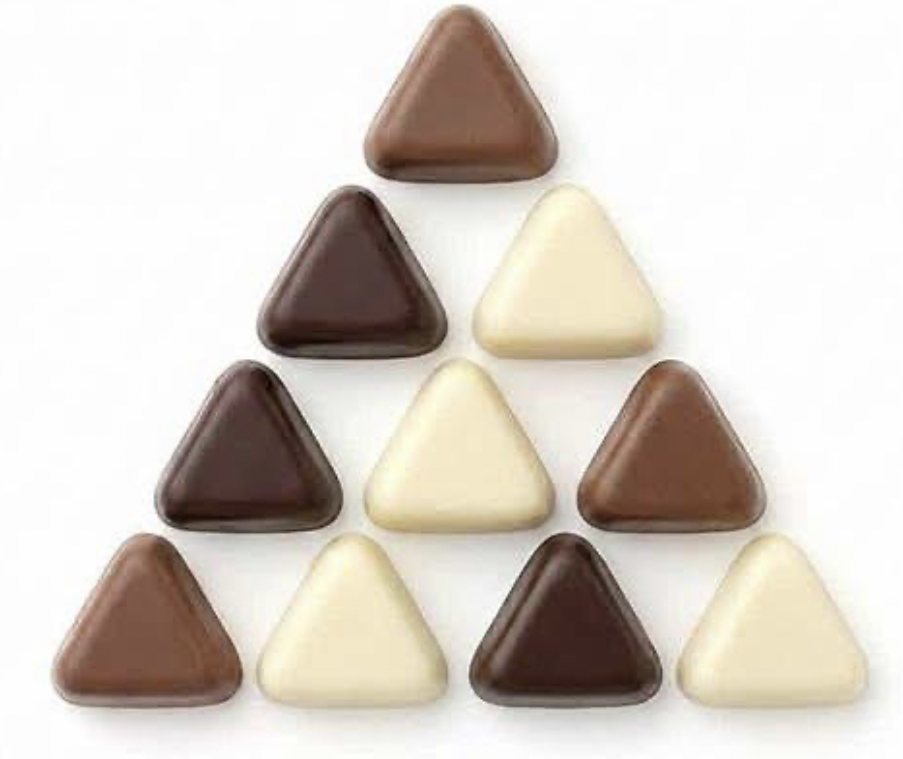
At first glance, the image seems simple: a neat arrangement of triangle-shaped pieces stacked together in varying shades. Nothing complicated. But then you see the question:
“How many triangles do you see?”
Suddenly, what looked straightforward becomes surprisingly tricky. You start counting. Then you count again. Maybe you spot one more. Or maybe you wonder if you’re overthinking it.
That moment of pause is exactly what makes visual puzzles like this so captivating.
Why Visual Puzzles Instantly Grab Our Attention
Our brains love patterns. We’re wired to recognize shapes, order, and structure—often without even realizing it. Visual puzzles tap into this instinct by presenting something familiar in a slightly unexpected way.
Triangles are especially effective because:
-
They’re simple and recognizable
-
They can overlap, combine, and “hide” within each other
-
They invite multiple interpretations depending on how you look
What starts as a casual glance quickly turns into focused observation.
It’s Not Really About Triangles—It’s About Perception
The puzzle isn’t truly testing your math skills. It’s testing how you see.
Some people count only the most obvious triangles—the individual shapes that immediately stand out. Others begin to notice:
-
Larger triangles formed by smaller ones
-
Overlapping outlines
-
Hidden shapes created by negative space
Neither approach is wrong. They simply reflect different ways the brain processes visual information.
What Your Triangle Count Might Say About You
While these puzzles aren’t scientific personality tests, they’re a fun way to reflect on your natural tendencies.
Here’s how people often interpret the results:
🔺 You Counted Only the Obvious Triangles
You may prefer clarity and structure. You focus on what’s directly in front of you and trust what you can clearly see. You’re practical, grounded, and efficient in problem-solving.
🔺 You Found Several Hidden or Overlapping Triangles
You tend to look deeper than the surface. You enjoy patterns, possibilities, and alternative perspectives. You may be more imaginative, analytical, or curious by nature.
🔺 You Kept Recounting Because the Answer Didn’t Feel Right
You’re detail-oriented and thoughtful. You like to double-check, reflect, and be confident before settling on a conclusion.
Again, these interpretations are just for fun—but they often spark interesting self-reflection.
Why These Puzzles Are So Shareable
Visual brainteasers like this spread quickly online for a reason:
-
They’re quick to understand
-
They invite debate (“I got 9—how did you get 12?”)
-
They encourage comments and interaction
-
They feel personal without being serious
People don’t just want the answer—they want to compare perspectives.
The Real Takeaway
There’s no “correct” personality type hidden in a triangle puzzle. What matters is the moment it creates: curiosity, focus, and a shift from passive scrolling to active thinking.
Sometimes, a simple image can remind us how differently we all see the same thing—and that’s what makes these puzzles so enjoyable.
So…
How many triangles did you see?
Want More Like This?
If you enjoy visual puzzles, perception challenges, and lighthearted brainteasers, keep an eye on this space. Sometimes the smallest puzzles reveal the most interesting conversations.